
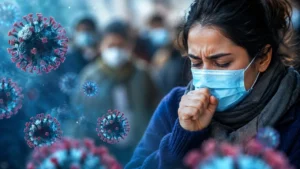
The rise in H1N1 cases in Delhi has renewed attention on seasonal influenza, its warning signs and the people who need extra care
A sharp rise in H1N1 cases in Delhi has put seasonal influenza back in the health spotlight. Delhi has reported around 1,344 H1N1 infections this season, compared with 229 during the corresponding period last year, according to recent reports.
The increase comes at a time when respiratory illnesses can spread more easily, making it important to distinguish H1N1 from an ordinary cold or other infections with similar symptoms.
For most otherwise healthy people, influenza is usually manageable and recovery takes place without serious complications. However, young children, older adults, pregnant women and people with certain chronic medical conditions can face a greater risk of severe illness.
Here is what to know about the current rise, H1N1 symptoms, who should be more cautious and when medical attention becomes necessary due to increasing H1N1 cases in Delhi.
H1N1 cases in Delhi rise nearly six-fold
Delhi has recorded around 1,344 H1N1 cases in 2026, compared with 229 cases during the same period last year, according to recent reports. The figures represent a rise of nearly six times.
Recent reports have put Delhi’s 2026 H1N1 count at between 1,344 and 1,349 cases, depending on the reporting update. The rise has prompted renewed attention from health professionals because influenza can sometimes progress from a routine respiratory infection to complications, particularly among people already at higher risk.
The National Centre for Disease Control (NCDC), under the Ministry of Health and Family Welfare, maintains dedicated information and technical guidelines on seasonal influenza H1N1, including guidance on patient categorisation, home care, masks, clinical management and laboratory testing.
What is the H1N1 virus?
H1N1 is a subtype of influenza A virus. It became widely known after the 2009 H1N1 pandemic, but the virus that caused that pandemic continues to circulate as part of seasonal influenza in several countries, including India.
The Indian government’s clinical management protocol notes that seasonal influenza can be caused by different circulating influenza viruses, including Influenza A H1N1 and H3N2. It also states that the pandemic H1N1 virus from 2009 continues to circulate and cause seasonal influenza outbreaks.
In simple terms, H1N1 cases in Delhi are not new and have not suddenly appeared. H1N1 is a recognised influenza virus that can cause seasonal respiratory infections.
Influenza spreads mainly through respiratory droplets and close contact. The Indian government’s seasonal influenza guidance also notes that transmission can occur through contact with contaminated surfaces.
What are the common H1N1 symptoms?
H1N1 infection can produce symptoms similar to other forms of influenza. These may begin relatively suddenly and can include:
- Fever
- Cough
- Sore throat
- Headache
- Chills
- Body aches
- Tiredness or weakness
- Runny or blocked nose
Some people, particularly children, may also experience nausea, vomiting or diarrhoea. The CDC notes that not everyone with influenza develops a fever.
The WHO similarly lists sudden fever, cough, headache, muscle and joint pain, sore throat and a runny nose among common influenza symptoms.
Because several respiratory illnesses can cause similar symptoms, symptoms alone cannot always establish whether someone has H1N1. Testing and clinical assessment may be required when doctors consider it necessary.
Who is at higher risk from H1N1?
H1N1 can affect people across age groups, but the possibility of complications is higher in certain groups.
These include:
- Children, particularly very young children
- Adults aged 65 and above
- Pregnant women
- People with asthma or chronic lung disease
- People with heart disease
- People with diabetes
- People with certain kidney, liver or metabolic conditions
- People with weakened immune systems
The WHO identifies young children, older people, pregnant women and individuals with chronic medical conditions among those at greater risk of severe influenza.
The CDC also recommends early medical contact for people in higher-risk groups who develop flu symptoms because antiviral treatment can be more beneficial when started early.
When should a person see a doctor?
Not every person with flu-like symptoms needs emergency treatment. However, medical advice should not be delayed if symptoms are severe, worsening or occurring in someone from a high-risk group.
Urgent medical attention is particularly important when symptoms include:
- Difficulty breathing or shortness of breath
- Chest pain or pressure
- Confusion or unusual dizziness
- Severe or persistent vomiting
- Symptoms that improve but then return with fever and a worsening cough
The CDC identifies these as warning signs that can require urgent medical attention.
For children, fast or difficult breathing, bluish lips or face, dehydration, poor responsiveness, chest pain and other serious changes require prompt medical assessment.
H1N1 prevention: What can people do?
Simple precautions can reduce the risk of influenza transmission.
People with flu-like symptoms should limit close contact with others and follow medical advice. Regular hand hygiene, covering coughs and sneezes, avoiding unnecessary close contact with people who are unwell and improving ventilation can also help reduce transmission.
Vaccination is another important preventive measure. WHO says seasonal influenza vaccination is the best way to reduce the risk of getting influenza and developing severe illness.
India’s NCDC also provides dedicated seasonal influenza resources covering vaccination, masks, home care and other preventive measures.
Can H1N1 be treated?
Influenza is caused by a virus, so antibiotics do not directly treat H1N1 infection. Doctors may consider antiviral medicines for certain patients depending on their symptoms, risk factors and clinical condition.
The Indian government’s clinical guidance includes oseltamivir among antiviral treatment options for influenza-like illness in appropriate situations. It notes that treatment started early can help reduce the duration of symptoms and may reduce the risk of complications.
However, medicines should be taken according to medical advice rather than self-prescribed.
H1N1 vs common cold: Are they the same?
No. Both can cause respiratory symptoms, but influenza often begins more suddenly and can cause stronger fever, body aches, chills and fatigue.
The CDC notes that influenza commonly produces abrupt symptoms, while a common cold generally develops more gradually.
This does not mean every fever or cough is H1N1. Other respiratory viruses can produce similar symptoms, which is why a medical assessment may be necessary when symptoms are severe or persistent.
Is H1N1 still a concern beyond the current Delhi surge?
Yes. The Delhi increase is a current public health development, but H1N1 itself is an established seasonal influenza virus rather than a temporary Delhi-specific illness.
The NCDC continues to maintain dedicated seasonal influenza H1N1 surveillance and technical guidance, while India’s health authorities provide resources covering testing, clinical management, home care and prevention.
This makes awareness useful beyond the present increase in H1N1 cases in Delhi. Influenza activity can change over time, and the people most vulnerable to complications remain important to identify early.

