
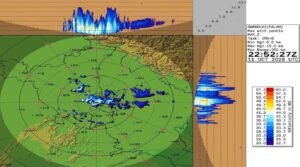
Sudden downpours, thunderstorms and hailstorms are raising concerns across India as the seasons change. Delhi-NCR’s October 12 rainfall shows how quickly local weather can disrupt travel, while farmers face questions about harvesting, crop damage and the possible effect on food prices.
Delhi-NCR experienced heavy rain and thunderstorms on October 12, 2026, even after the monsoon withdrawal period. Rainfall can occur outside the main monsoon season when other weather systems bring moisture and atmospheric instability. However, the cause of this particular episode of the weather forecast needs to be established through official meteorological analysis.
What happened in Delhi-NCR on October 12?
Delhi-NCR witnessed heavy rain and thunderstorms on October 12, 2026, disrupting normal conditions in parts of the region. The reported weather alert also raised concerns about waterlogging, traffic movement and the possibility of further rainfall.
The episode has renewed interest in Delhi rain after monsoon withdrawal and why showers can continue even after the southwest monsoon retreats. The end of the monsoon does not mean that rain becomes impossible. Other atmospheric systems can also produce rainfall during October and the following months.
For residents, the immediate concern is the local weather forecast. People planning to travel, commute to work or attend outdoor events should check official updates rather than assume that conditions will remain clear throughout the day.
Searches for weather today can help people find current conditions, but an official forecast is more useful for understanding the possibility of rain, thunderstorms or other weather warnings over the coming hours.
Why can Delhi receive rain after monsoon withdrawal?
The southwest monsoon is the main source of seasonal rainfall across much of India, but it is not the only system capable of bringing rain. Weather conditions can change when moisture-bearing winds, low-pressure systems or other atmospheric disturbances affect a region.
Western disturbances can also influence northern India, particularly during the cooler months. Depending on their position and interaction with local atmospheric conditions, these systems can contribute to cloud formation, rain and thunderstorms. Their presence should not, however, be assumed to explain every post-monsoon rainfall event.
Atmospheric instability can also support the development of thunderstorms when sufficient moisture and favourable conditions are present.
This is why Delhi rain after monsoon withdrawal should be understood through the specific weather systems active on the day. The India Meteorological Department (IMD) provides official bulletins and alerts that help establish the expected conditions and the areas likely to be affected.
What does the weather forecast tell residents?
The weather forecast helps residents understand whether rain is expected to continue, which areas may face thunderstorms and whether authorities have issued a warning. An alert should be read alongside its validity period and the locations it covers.
The reported red alert makes it particularly important to consult the latest official IMD bulletin for the relevant period. Alert levels and their coverage can change as weather systems develop, so an earlier warning should not automatically be treated as the current position.
Residents looking up weather today should distinguish between observations of rainfall that has already occurred and forecasts for the hours ahead. These are different forms of information: current conditions describe what is happening, while forecasts estimate what may happen next.
People should avoid relying only on social media posts or undated weather screenshots. The latest weather forecast from an official source offers a clearer basis for planning journeys and outdoor activities.
Does this rain prove that climate change is responsible?
A single spell of heavy rain cannot, by itself, establish that climate change caused the event. Scientists assess long-term observations, rainfall patterns and atmospheric conditions to understand whether climate change has influenced the likelihood or intensity of particular weather events.
Government-reported climate data cited in the earlier account states that India’s average temperature increased by around 0.7°C between 1901 and 2018. It also reports an increase of about 75% in the frequency of daily precipitation extremes exceeding 150 mm between 1950 and 2015.
These figures provide broader context about changing temperature and extreme-rainfall patterns. They do not independently explain the cause of the October 12 rainfall in Delhi-NCR.
The distinction matters when interpreting Delhi rain after monsoon withdrawal. Long-term climate trends and the meteorological cause of an individual storm are related questions, but they require different kinds of evidence.
Could heavy rain affect farmers and food prices?
The impact on agriculture depends on where the rain falls, how much water accumulates and whether crops are at a vulnerable stage. Heavy rainfall can cause waterlogging, damage standing crops or interrupt harvesting in affected areas. The actual impact of this episode would need confirmation from local agricultural authorities or field reports.
Possible crop damage can also influence the supply of some vegetables and other agricultural products. However, rainfall does not automatically lead to higher food prices. Market supplies, transport, storage, demand and the extent of any crop losses also affect prices.
For now, any connection between the Delhi-NCR rainfall and food-price changes should be treated as a possibility rather than a confirmed outcome. A reliable weather forecast can help farmers and agricultural workers prepare for expected conditions, while official crop assessments are needed to establish actual losses.
What precautions should residents take?
Heavy rain can create slippery roads, reduce visibility and lead to waterlogging in low-lying areas. During thunderstorms, residents should avoid exposed locations and take shelter in a safe building. They should also stay away from flooded roads and avoid touching fallen electrical wires.
Commuters can check traffic updates before leaving and allow extra time if rain is affecting their route. Residents should follow instructions issued by local authorities and pay attention to any changes in official weather alerts.
The latest weather forecast is useful when planning school journeys, outdoor work and travel between cities. If an alert remains in force, residents should follow the precautions advised by the relevant authorities rather than rely on general assumptions about the weather.
Why it matters
The episode shows why the end of the main monsoon season should not be treated as a guarantee of dry weather. Post-monsoon rainfall can affect daily travel, local infrastructure and agricultural activity, depending on its intensity and location.
Understanding Delhi rain after monsoon withdrawal also requires separating three things: the rainfall observed, the weather system responsible and the longer-term climate trends. Official observations and meteorological analysis are needed to connect these factors accurately.
What happens next?
Residents should monitor updated IMD bulletins for changes in rainfall expectations and alert coverage. Any assessment of crop damage or wider economic effects will depend on confirmed information from the affected areas.
For people making immediate travel plans, the most useful step is to check the latest official weather forecast and follow local safety advisories.
You may like to read: 10,000 km Monsoon rain cloud stretches from India to South Korea as IMD warns of heavy rain across multiple states

